 Game with Us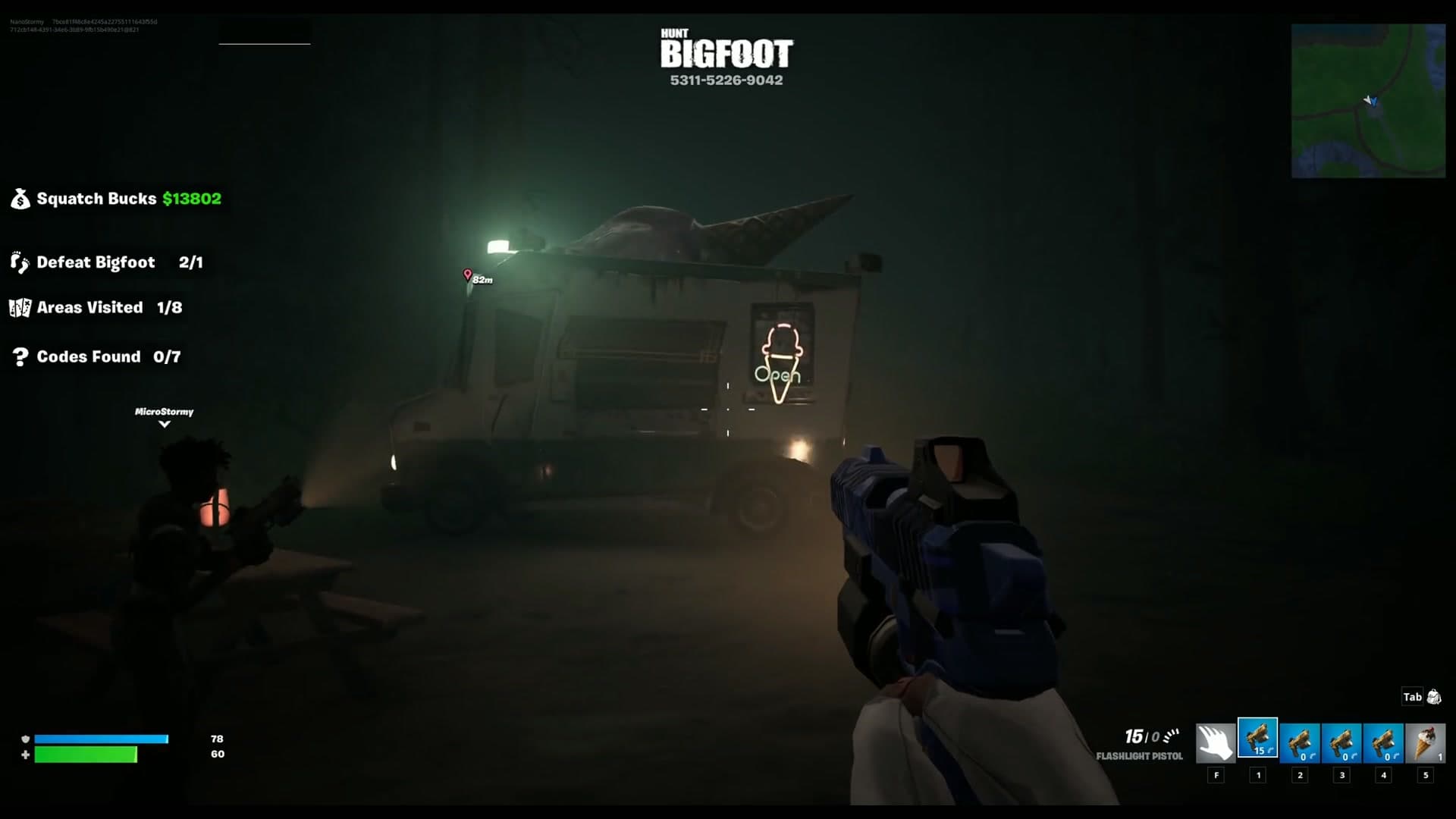
In the Where We Are post I covered the origin story of how we jumped into UEFN, the first week of Hunt Bigfoot, and the first-person camera breakout moment. This post is the deeper cut: why we were there in the first place, what it's actually like to build on UEFN, what works, what doesn't, and the time we accidentally took Fortnite down.
Escaping Unity
Our team was primarily a Unity team. Many of us had spent years learning Unity and getting good at it. We were always curious about Unreal but a bit intimidated overall.
Then Unity started burning bridges. The runtime fee announcement was ugly. Their render pipelines were a mess and we had locked ourselves into HDRP on It Was You. Finding a path off Unity and into Unreal became a very real conversation for us.
UEFN turned out to be a perfect segway. It let us ship something real and fast while learning Unreal tooling. Fortnite also took a huge burden off us: we didn't have to worry about server infrastructure, monetization, or building an entire art style from the ground up. We used their massive library of props, which solved our limited art bandwidth in our team.
The Unreal Fest conversation that sold me

I had heard about UEFN before Unreal Fest but not much beyond the name. I walked up to the UEFN booth at the conference and just asked what it was all about.
It felt a little magical hearing the pitch. No server infrastructure? I really don't have to worry about monetization? Magic.
Then I asked the question I actually cared about: is there real money to be made here?
The Epic employees I was talking to pointed at a huddle of high-school and college-aged kids nearby and told me to go ask them directly how much they were making. The answers were between six and seven figures. Publisher-deal money on their own Fortnite maps.
Magic.
We had just come off a year of pitching publishers with nothing to show for it, and we had nothing else going on at the studio at that moment. It was clear this could be something for our team.
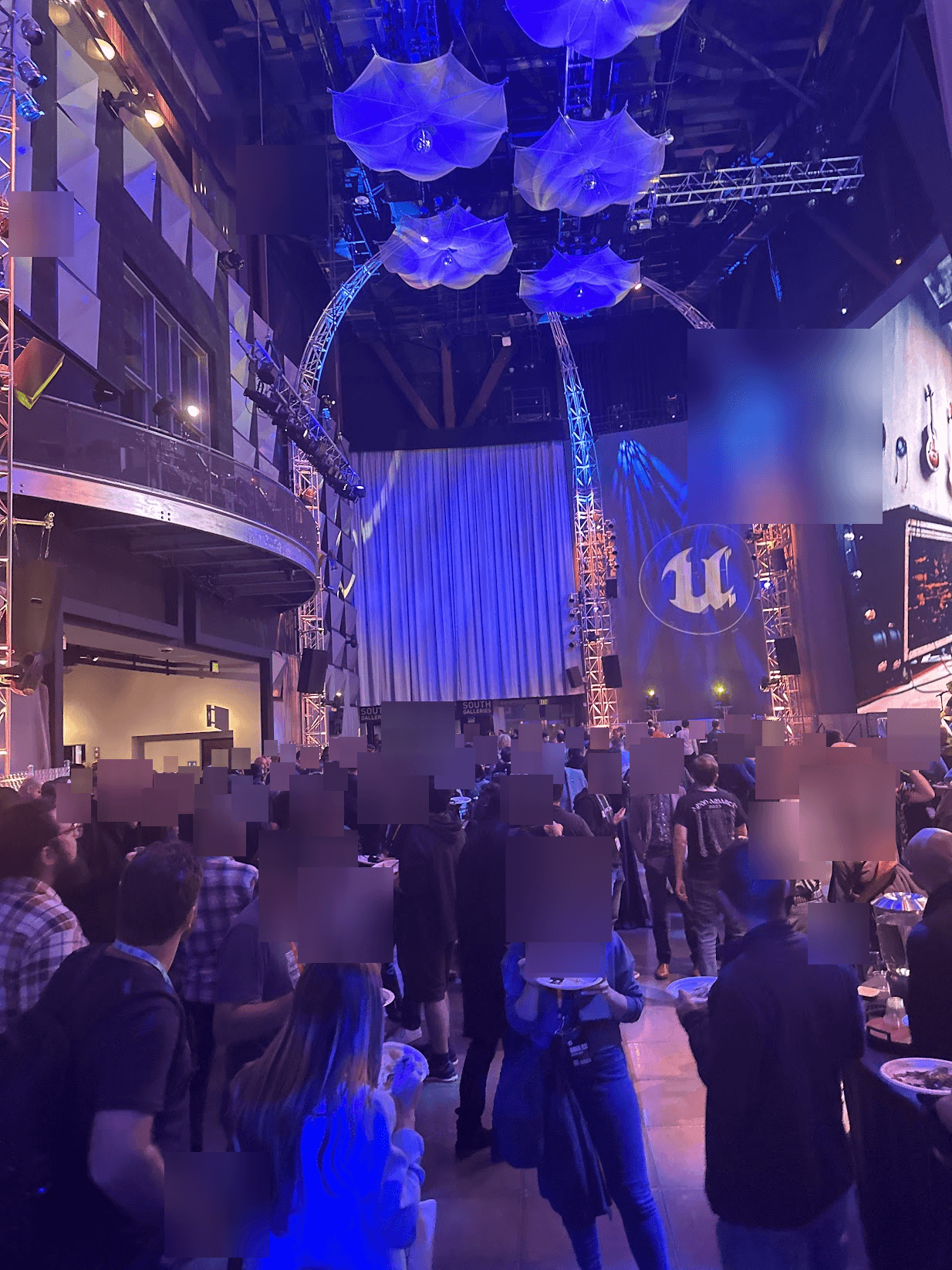
Total aside: this was also the Unreal Fest where Epic revealed MegaLights. The demo is just too cool not to share.
A quick detour: I come from modding
I want to say this upfront because it informs how I see UEFN.
I got my start modding StarCraft 2. I worked on some of the top mods at the time, including Marine Arena 2 and Biodefense: Zerg Outbreak. The adrenal I experienced of thousands playing my mods is a high I've been chasing ever since.
Funny enough, at one point Blizzard had publicly talked about the idea of paid mods in StarCraft 2. It eventually did happen, years later in 2018, but by then I had long moved on.
When I cracked open UEFN, it didn't feel all that foreign to me. I was already comfortable with the constraints and creativity of modding a game someone else built. UEFN was just more modern tooling for a modern game.
What UEFN actually is
For readers who haven't touched it: UEFN is Unreal Engine 5 with some of the tooling locked down and extended specifically for Fortnite. You're building in the same editor, using most of the same tools. Some tools are hidden or constrained, but the core is the same.
Having started It Was You in Unreal Engine proper, I can tell you there aren't a ton of differences. The biggest ones are:
- Verse, the new scripting language UEFN uses. Epic has said Verse will be available in Unreal Engine 6.
- The device paradigm, which is Fortnite's way of composing gameplay from pre-built behaviours you drop into the world.
Verse is pretty neat. I've also reported my share of bugs with the language and tooling. It's young, it moves fast, and things break all of the time. Just like modding any game, you need to come at UEFN with creativity and not be afraid to build something a little janky to solve a problem.
The dev cycle
People ask us all the time "how long does a Fortnite map take?" The honest answer is "it depends on what you count."
- Hunt Bigfoot was a week to the first public version
- When you add up every patch and update since, it's closer to 1 to 2 months
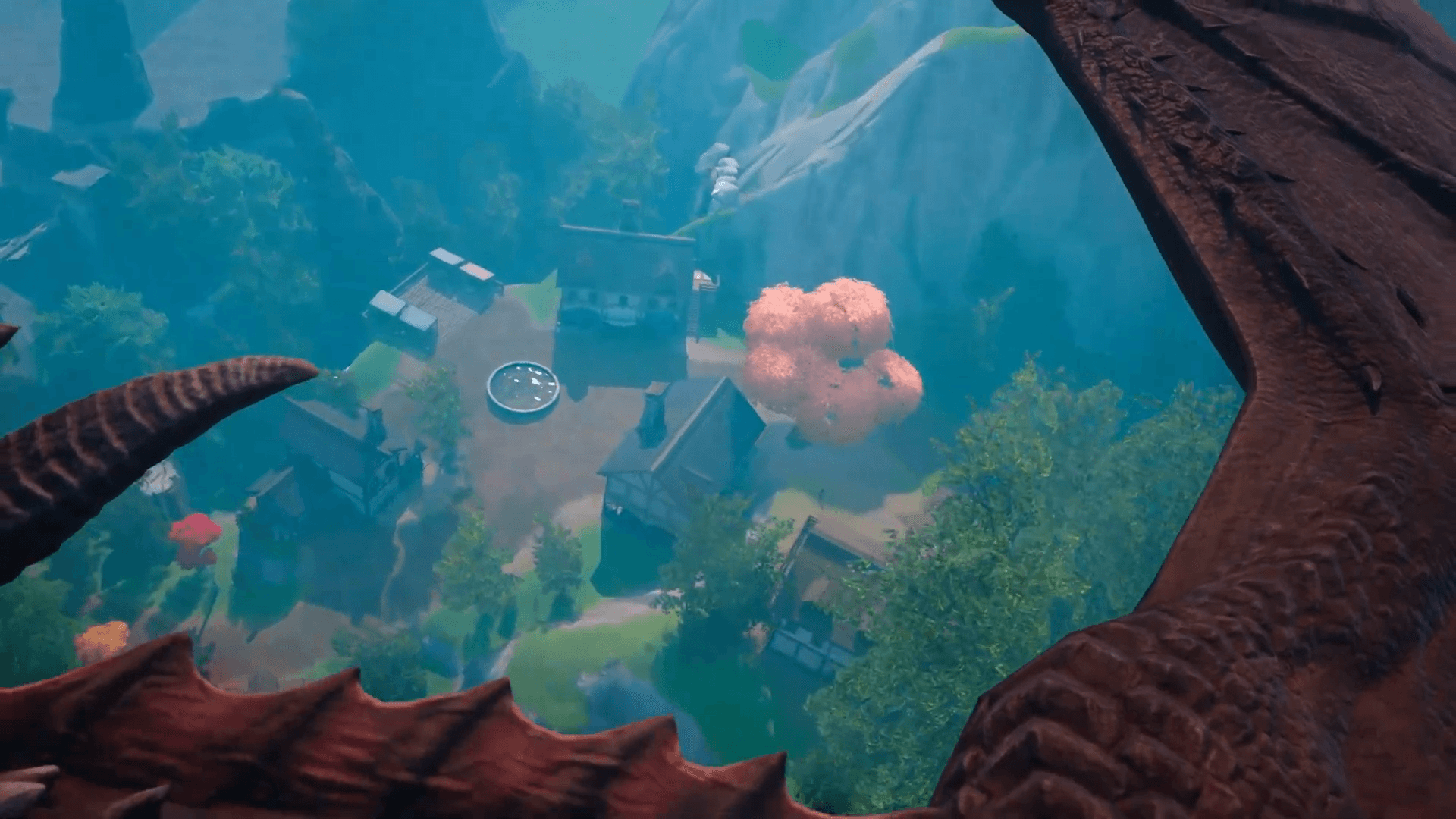
- The Dragon Queen, our biggest Fortnite game to date, spanned 3 months
One to two months per map is fairly typical for us. That's a dream pace compared to traditional game development, and it's the biggest reason UEFN is so attractive for a small team.
Discovery is the wild west
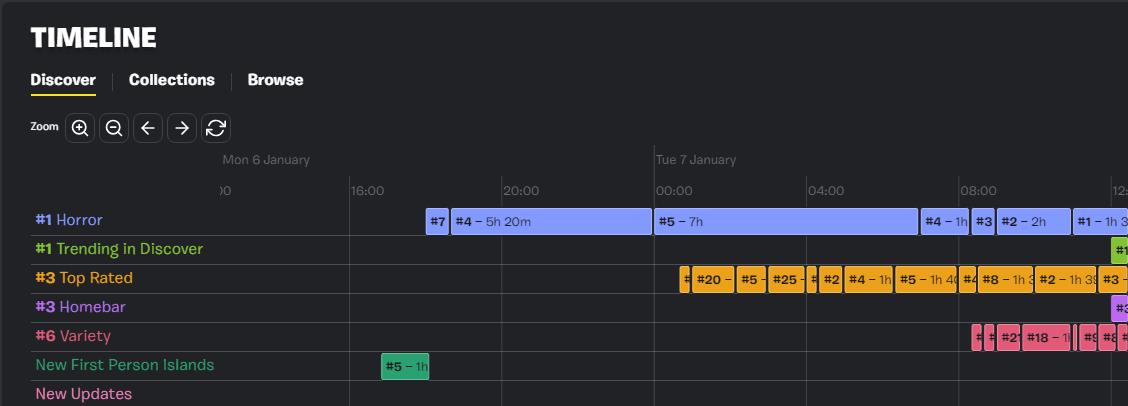
The Fortnite discovery system is still young and, from what we've seen, needs a lot of work. Placement on the discovery page matters an enormous amount. Not all impressions are equal, and the algorithm can change on you at any time.
This isn't me complaining, because we've benefited from the system plenty. But if you're thinking about building on UEFN, you need to walk in with your eyes open. Discovery is the single biggest variable in whether your map succeeds, and it's largely outside your control.
There are of course theories and ways we've tried to predict the success of a game, but largely we find ourselves proven wrong time and time again.
Homebar
"Homebar" is a term you'll hear a lot in the UEFN community. When you log into Fortnite, the top of the page, above the fold, shows your most recently played games plus a row of featured games. That row is called the Homebar, and it's the most valuable real estate in the entire platform.
If you hit Homebar, you get a flood of players.
What actually works
From shipping 14 maps, here's the pattern we see over and over:
- Smaller games that load fast. Massive worlds caused a lot of trouble for players on lower end devices.
- Performant on every Fortnite device. You can't control where your players play, and there are a decent amount of Switch and mobile players on Fortnite.
- A bad first experience hurts twice. You lose that player, and the algorithm sees the drop-off and punishes your discoverability.
With Fortnite returning to mobile, performance is more important than ever.
The formula change that quietly hit us
In November 2025, Fortnite changed their engagement payout formula.
Here's what it looked like from our side of the fence:
- Same player numbers
- Same retention
- Same everything
- About 40% less engagement payout on one of our games
Nothing in the game changed. Just the math behind what Fortnite was paying out for engagement. That was a brutal month for us, and it's a big part of why we're now looking to launch games outside of Fortnite for more control over our own destiny.
The day we took Fortnite down
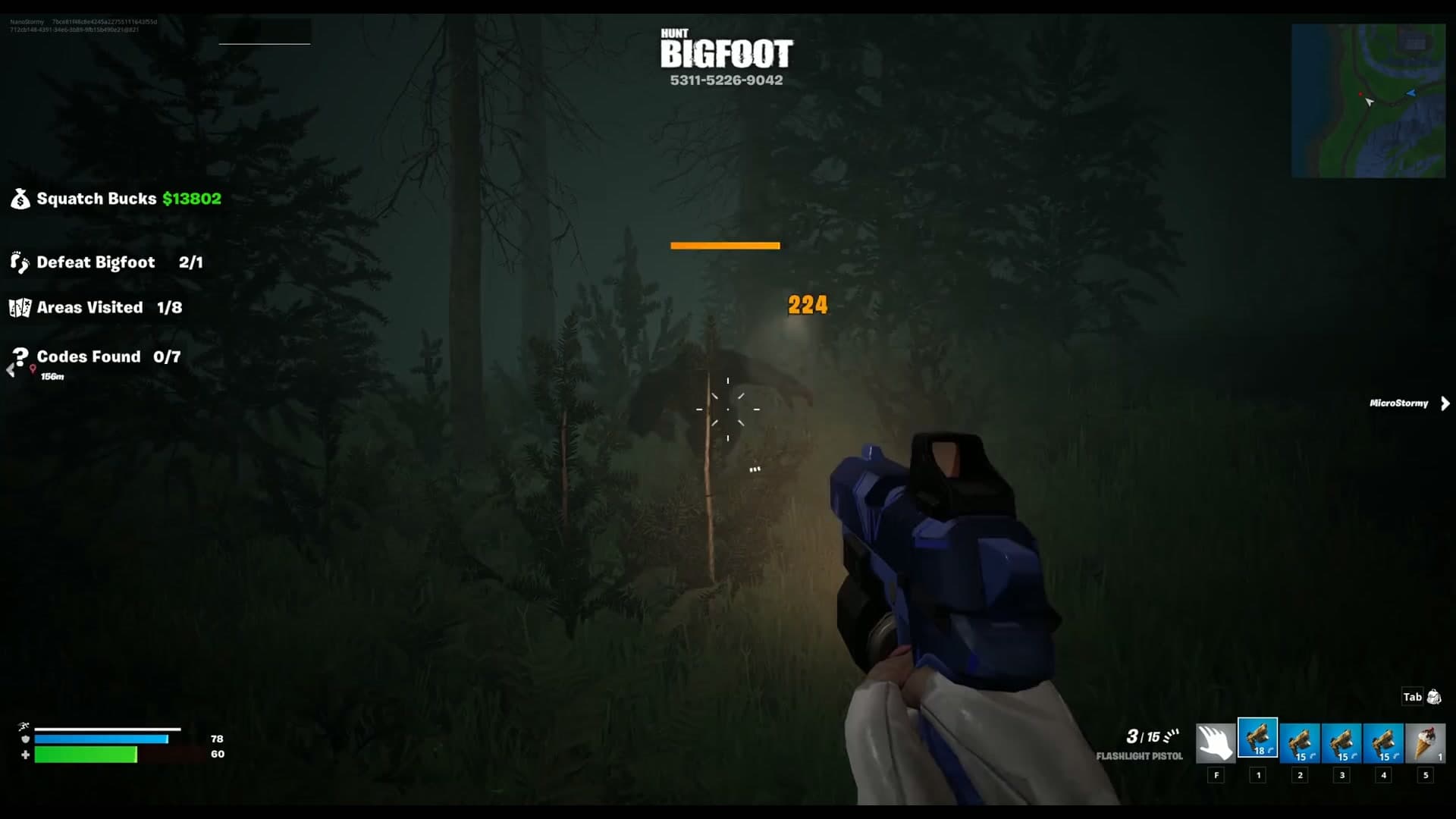
This is my favorite story from the whole UEFN journey.
At some point we pushed an update to Hunt Bigfoot that introduced an infinite loop in Bigfoot's AI logic. It turned out to be bad enough to crash console players on Fortnite.
Fortnite took Hunt Bigfoot offline. Epic has SLAs with Sony, Nintendo, and Xbox, to ensure stable performance of their consoles. Apparently we had enough concurrent players on Hunt Bigfoot that the bug was putting Epic at risk. Austin and I were in constant publisher pitches at GDC when it happened.
It was a chaotically fun day to get a patch out. Not many small indie studios can say they took Fortnite down.
The load time problem
Another massive reason we are exploring games outside of UEFN: session load times.
Changing a line of code, moving a prop, or whatever you needed to do would often mean waiting 20 minutes to test your changes. The problem got so painful for us that we posted about it in a forum thread and the UEFN community rallied behind it. Epic is actively working on improving session load times, which is great to see.
The IP wins
Two of our biggest moments on UEFN were collaborations with IP we would never have been able to afford to license as a small indie studio on our own.
- The Walking Dead featured our map Zombie Raiders: Loot & Survive.
- Netflix featured Soda Pop Stage Fight at the launch of KPop Demon Hunters on Fortnite.
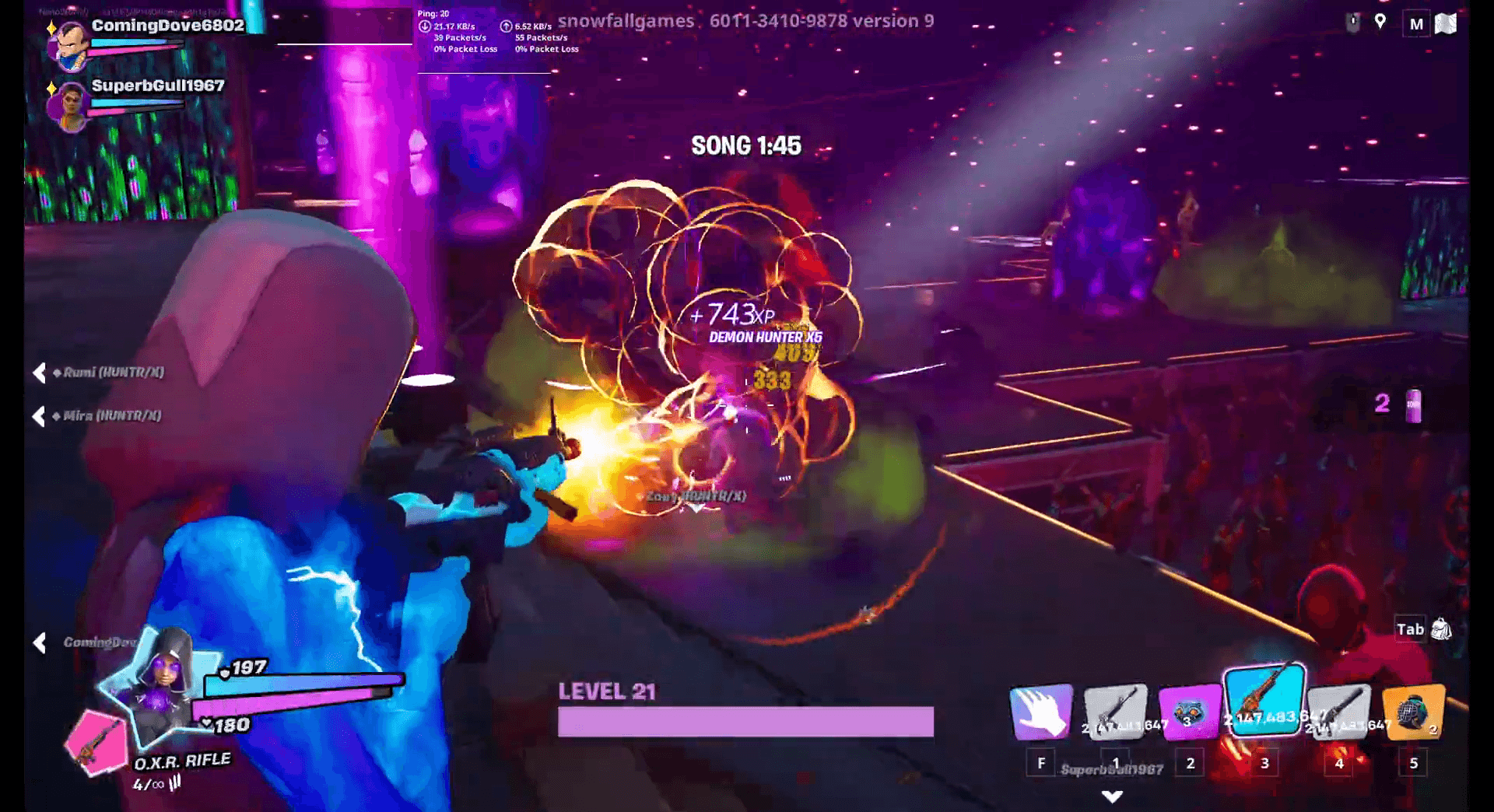
Those are the kind of partnerships that just don't happen for studios our size through traditional channels.
Would I still recommend UEFN?
Yes.
It's still a great way to rapidly iterate and launch games. Our team misses the immediate feedback from the Fortnite community. Nowhere else lets you go from concept to prototype to fully launched game this fast, in front of this many players.
There is a time and place for UEFN. I really hope Fortnite player counts rebound, because the platform is genuinely exciting to build on when the conditions are right.
What I'd tell myself before starting
Don't let yourself over-scope. Small and tight core loops are great. You don't need a giant open world with tons of content on Fortnite. The platform rewards games that are easy to jump into, easy to understand, and easy to replay.
Some of the best performing maps in the entire ecosystem are conceptually tiny. Start small, ship, learn, and iterate.
Where we go from here
We're not leaving UEFN. We're just not letting it be the whole story for Snowfall anymore. Our next unannounced game is being built for web, Discord Activities, Steam, iOS, and Android to give us more control over discovery, marketing, and our own future.
In the meantime, we'll keep shipping on Fortnite when it makes sense, and I'll keep pulling for Epic to get the discovery and load-time improvements over the line. UEFN is the closest thing the games industry has to the modding scene I grew up in, and I want it to win.
See you on the island,
Jaden
 nanostorm
Get the next dev blog in your inbox
We send a quick note when we post. No spam.
